Sustainable Architecture with AI
Summary
Table of Contents
Sustainable Architecture with AI: The Future of Green Design
The built environment is responsible for nearly 40% of global carbon emissions, making sustainable architecture not just an ethical choice but a necessity. As architects and environmentalists grapple with the urgency of climate change, artificial intelligence is emerging as a powerful ally in designing greener, more efficient structures. This fusion of cutting-edge technology and ecological responsibility is transforming how we conceive, construct, and maintain buildings—ushering in a new era of sustainable design that harmonizes human needs with planetary boundaries.
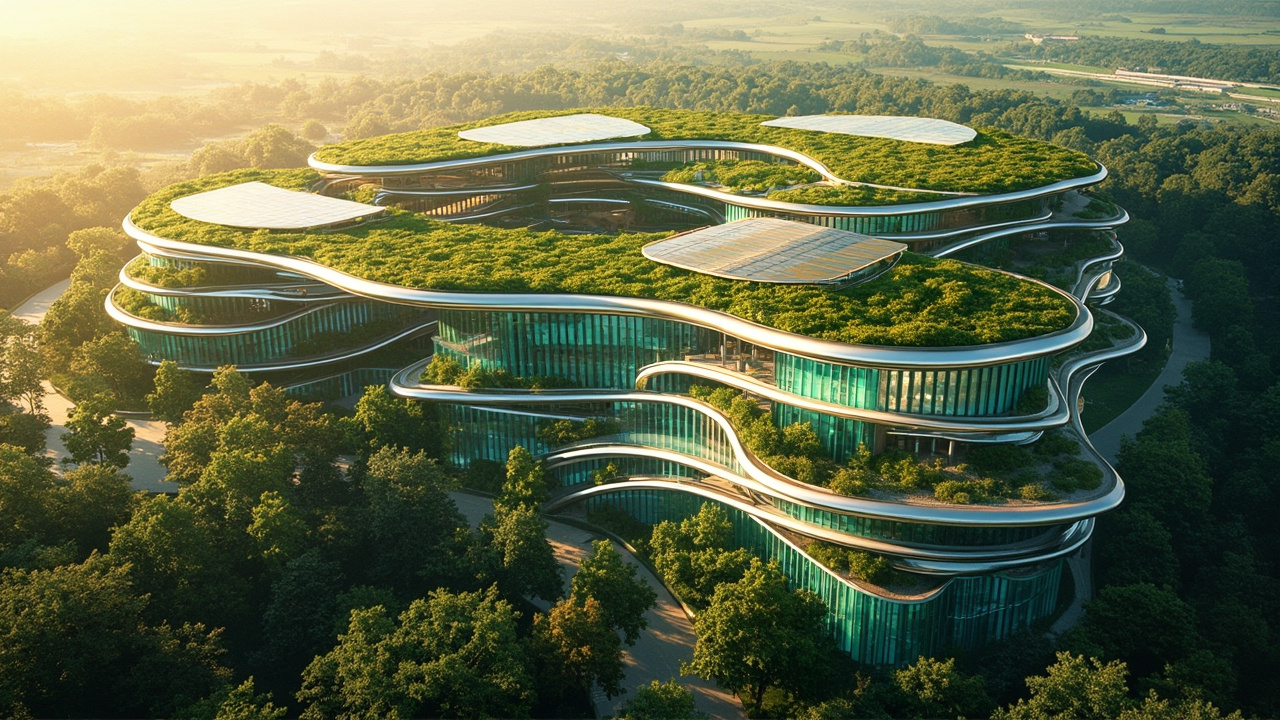
1. The Convergence of AI and Sustainable Architecture
The marriage of AI and sustainable architecture represents a paradigm shift in how we approach green building practices. By leveraging machine learning algorithms, generative design, and predictive analytics, architects can now create structures that are not only beautiful but also hyper-efficient in their resource use.
1.1 AI-Driven Sustainable Design Principles
Modern AI tools enable architects to embed sustainability into every phase of the design process:
- Material optimization algorithms that reduce waste
- Energy modeling that predicts thermal performance
- Lifecycle assessment tools that estimate carbon footprint
- Natural ventilation simulation for passive cooling
| Traditional Design | AI-Enhanced Sustainable Design |
|---|---|
| Manual energy calculations | Real-time energy performance modeling |
| Standard material specifications | Dynamic material optimization |
| Static building layouts | Adaptive spatial configurations |
1.2 Case Studies in AI-Optimized Green Architecture
Several pioneering projects demonstrate the transformative potential of AI in sustainable architecture:
- The Edge in Amsterdam (smart lighting and climate control)
- Bosco Verticale in Milan (AI-maintained vertical forests)
- One Angel Square in Manchester (predictive energy management)

2. Key Applications of AI in Green Architecture
Artificial intelligence is revolutionizing multiple aspects of sustainable design, offering architects unprecedented tools to minimize environmental impact while maximizing functionality and aesthetic appeal.
2.1 Energy Efficiency Optimization
AI-powered building efficiency tools can analyze countless design permutations to identify optimal energy performance configurations:
- Machine learning models predict energy use patterns
- Neural networks optimize HVAC system design
- Deep learning algorithms enhance renewable energy integration
2.2 Smart Material Selection
AI databases can instantly compare thousands of material options based on multiple sustainability criteria:
| Material Attribute | AI Analysis Capability |
|---|---|
| Embodied carbon | Lifecycle assessment scoring |
| Thermal performance | Climate-specific suitability |
| Local availability | Supply chain optimization |

3. Implementing AI in Your Sustainable Design Practice
For architects ready to embrace AI-powered sustainable design, several practical steps can facilitate this transition:
3.1 Getting Started with AI Tools
Begin incorporating AI into your green architecture workflow with these approaches:
- Experiment with generative design software like Autodesk's Dreamcatcher
- Utilize energy modeling tools such as Cove.tool
- Integrate BIM systems with AI plugins for sustainability analysis
3.2 Overcoming Common Challenges
While promising, AI adoption in sustainable architecture presents some hurdles:
- Data quality requirements for accurate modeling
- Need for interdisciplinary collaboration
- Balancing technological solutions with biophilic design principles
4. The Future of AI in Sustainable Architecture
As technology advances, we can anticipate even more sophisticated applications of AI in green architecture:
4.1 Emerging Trends
- Self-learning buildings that adapt to environmental conditions
- AI-assisted circular design for zero-waste construction
- Predictive maintenance systems for long-term sustainability
4.2 Ethical Considerations
The integration of AI into sustainable design raises important questions:
| Opportunity | Challenge |
|---|---|
| Enhanced sustainability metrics | Data privacy concerns |
| Democratization of design tools | Potential job displacement |

Conclusion: Designing a Greener Future with AI
The fusion of artificial intelligence and sustainable architecture offers transformative potential for creating built environments that actively contribute to planetary health. By harnessing AI optimization for building efficiency, architects can push the boundaries of green architecture while meeting increasingly stringent environmental standards. As we move forward, the most successful sustainable designs will be those that skillfully blend cutting-edge technology with ecological wisdom, creating spaces that are both intelligent and nurturing. The future of architecture isn't just sustainable—it's smart, adaptive, and regenerative, with AI serving as a powerful catalyst for this essential evolution.
Ready to Transform Your Space?
Take the next step in your design journey. Explore our powerful AI tools to visualize and plan your perfect interior transformation.
Frequently Asked Questions
Find answers to common questions about this topic