AI in Modern Architecture
Summary
Table of Contents
AI in Modern Architecture: Transforming Building Design and Visualization
In an era where technology is reshaping industries, architecture stands at the forefront of innovation. Artificial Intelligence (AI) is no longer a futuristic concept—it's a powerful tool revolutionizing the way architects and designers approach modern design. From generative design algorithms to real-time architectural visualization, AI architecture is unlocking unprecedented possibilities. This blog explores how AI is enhancing creativity, efficiency, and sustainability in the field.

1. The Role of AI in Architectural Design
AI architecture is not about replacing human creativity—it's about augmenting it. By leveraging machine learning, neural networks, and generative algorithms, architects can explore new design frontiers while optimizing functionality and aesthetics.
1.1 Generative Design and AI-Powered Creativity
Generative design is one of the most transformative applications of AI in building design. Instead of manually iterating through design options, architects can input parameters such as site conditions, material constraints, and sustainability goals, and AI generates multiple optimized solutions. Tools like Autodesk's Dreamcatcher and TestFit demonstrate how AI can:
- Produce hundreds of design variations in minutes
- Optimize spatial layouts for efficiency and user experience
- Balance structural integrity with aesthetic appeal
1.2 AI for Sustainable and Adaptive Architecture
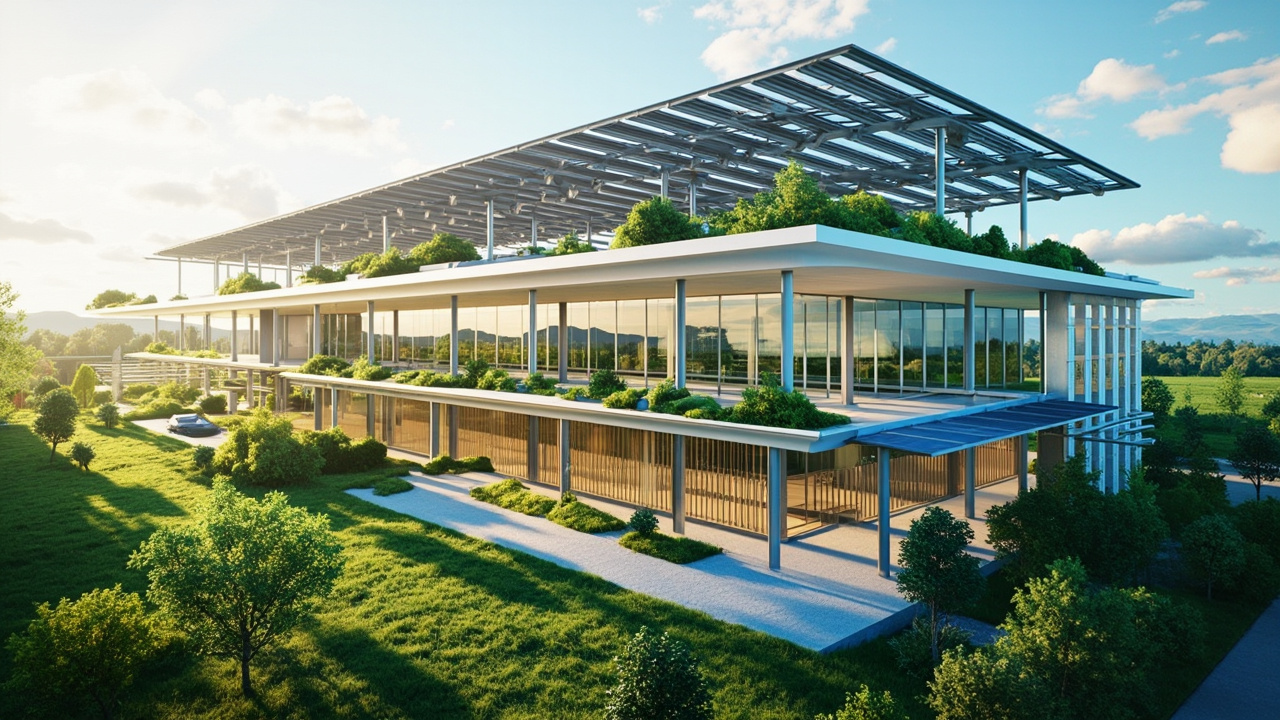
Sustainability is a critical consideration in modern design, and AI is helping architects make data-driven decisions. AI-powered systems analyze environmental factors, energy consumption patterns, and material lifecycles to suggest eco-friendly solutions. For example:
| AI Application | Benefit |
|---|---|
| Energy modeling | Predicts building performance under different conditions |
| Material optimization | Reduces waste by calculating exact requirements |
| Climate-responsive design | Adapts structures to local weather patterns |
2. AI in Architectural Visualization and Collaboration
Visualization is a cornerstone of architecture, and AI is making it more immersive and interactive than ever before. From virtual walkthroughs to real-time rendering, AI-powered tools are transforming client presentations and team collaborations.
2.1 Real-Time Rendering and Virtual Reality
AI accelerates architectural visualization by enabling real-time rendering with photorealistic quality. Platforms like Enscape and Lumion use AI to process lighting, textures, and shadows instantly, allowing architects to:
- Present lifelike models to clients without lengthy rendering times
- Explore designs in virtual reality (VR) for better spatial understanding
- Make on-the-fly adjustments during client meetings
2.2 AI for Streamlined Design Collaboration
Modern design projects involve multiple stakeholders, and AI facilitates seamless communication. Cloud-based AI tools like Hypar and Arkio enable teams to:
- Collaborate in real-time on 3D models
- Automate clash detection in BIM (Building Information Modeling)
- Generate instant reports on design changes

3. Practical Applications of AI in Modern Architecture
Beyond theoretical advantages, AI architecture delivers tangible benefits across various project phases. Here are key areas where AI is making an impact:
3.1 Urban Planning and Smart Cities
AI analyzes vast datasets—from traffic patterns to population density—to inform urban design. Cities like Singapore and Barcelona use AI to:
- Simulate urban growth scenarios
- Optimize infrastructure placement
- Enhance pedestrian and vehicular flow
3.2 Adaptive Reuse and Historic Preservation
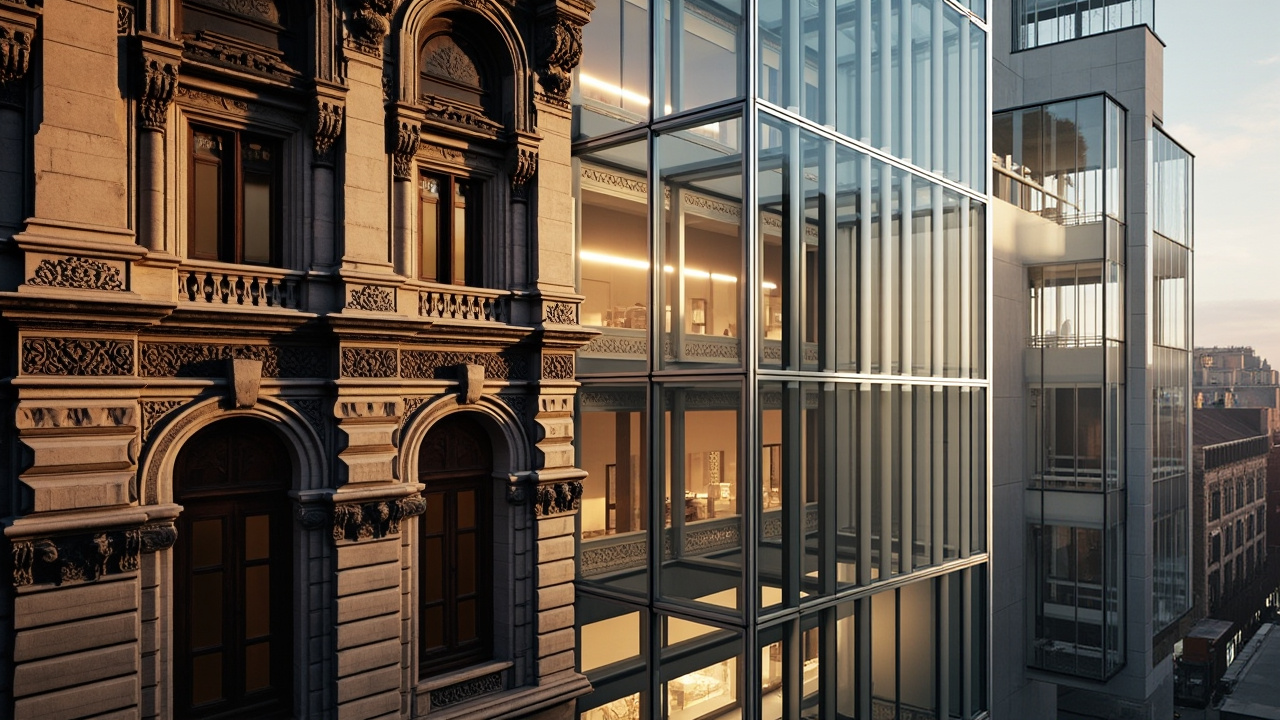
AI assists in repurposing existing structures by analyzing structural integrity and proposing renovation strategies. For example:
| Challenge | AI Solution |
|---|---|
| Assessing building conditions | AI analyzes drone-captured images for defects |
| Maintaining historical authenticity | Generative design suggests compatible modern elements |
4. The Future of AI in Architecture
As AI architecture evolves, several trends are shaping its future:
- AI-Driven Construction: Robotics and AI will automate on-site building processes
- Personalized Spaces: AI will tailor designs to individual user behaviors and preferences
- Continuous Learning: AI systems will improve by learning from every completed project
Conclusion: Embracing AI as a Design Partner
AI in modern architecture is not a passing trend—it's a paradigm shift. By harnessing AI for building design, architectural visualization, and project execution, architects can push creative boundaries while improving efficiency and sustainability. The most successful firms will be those that view AI as a collaborative partner rather than just a tool. As technology advances, the fusion of human ingenuity and AI capabilities will redefine what's possible in architecture.
Ready to Transform Your Space?
Take the next step in your design journey. Explore our powerful AI tools to visualize and plan your perfect interior transformation.
Frequently Asked Questions
Find answers to common questions about this topic